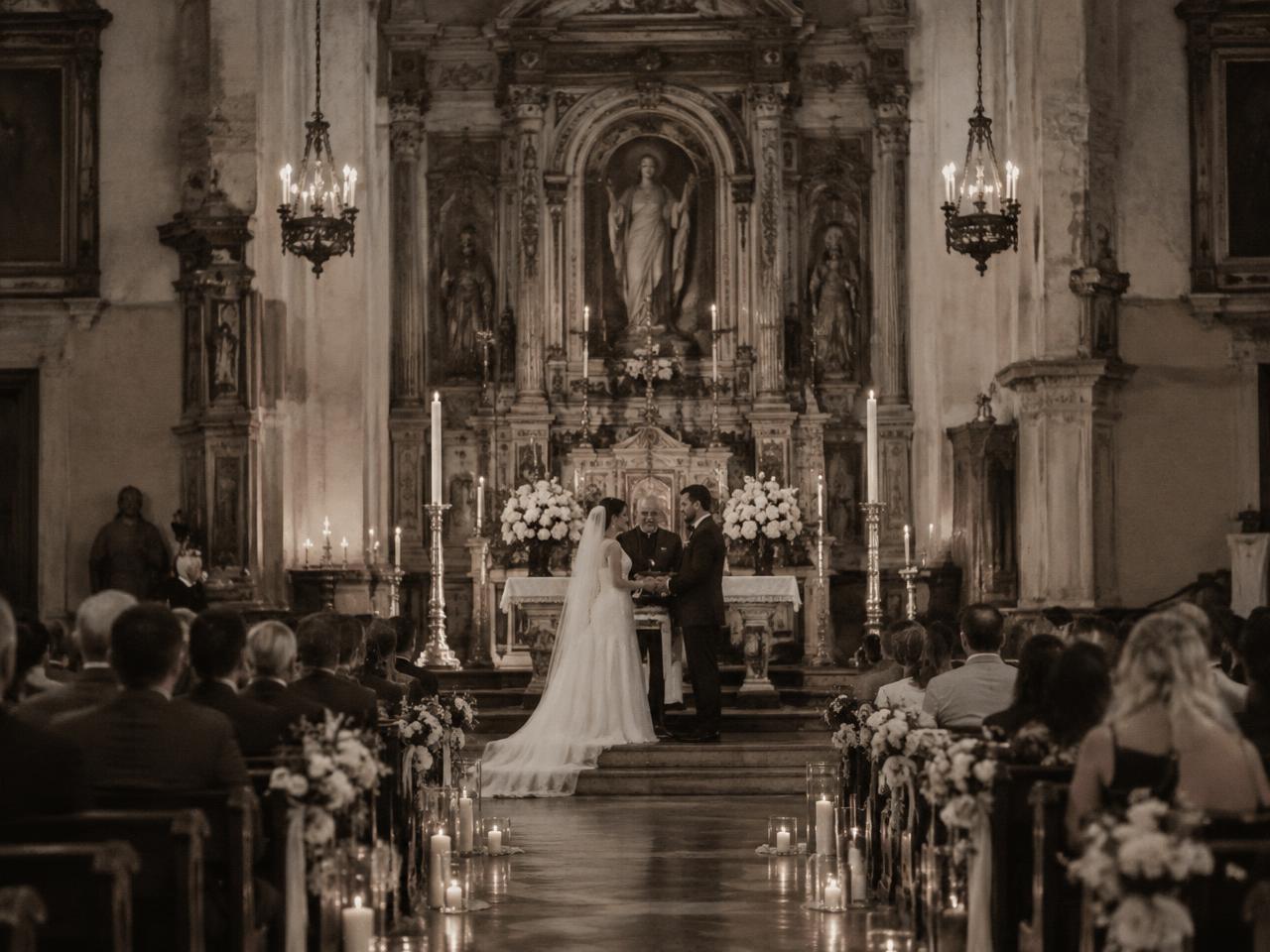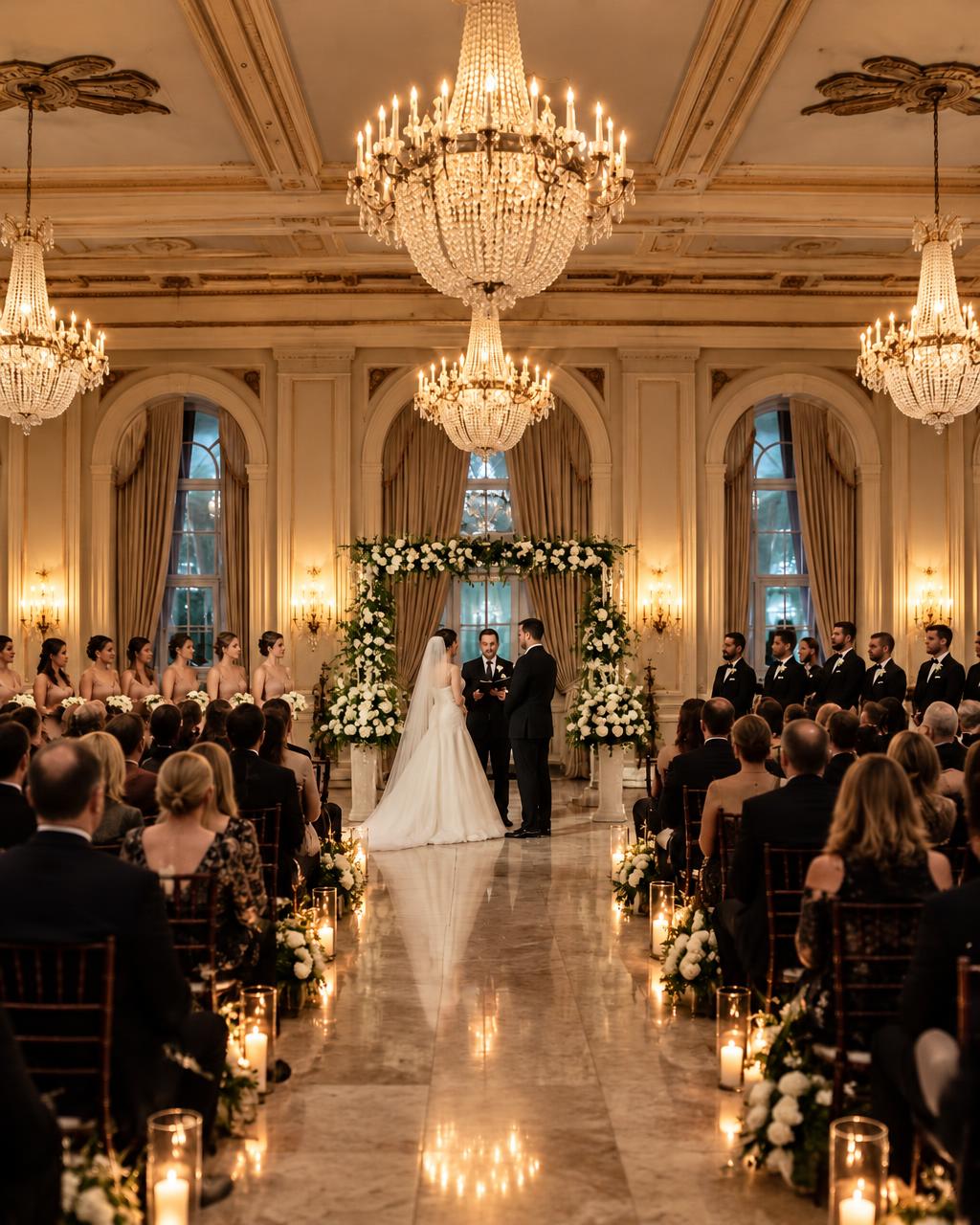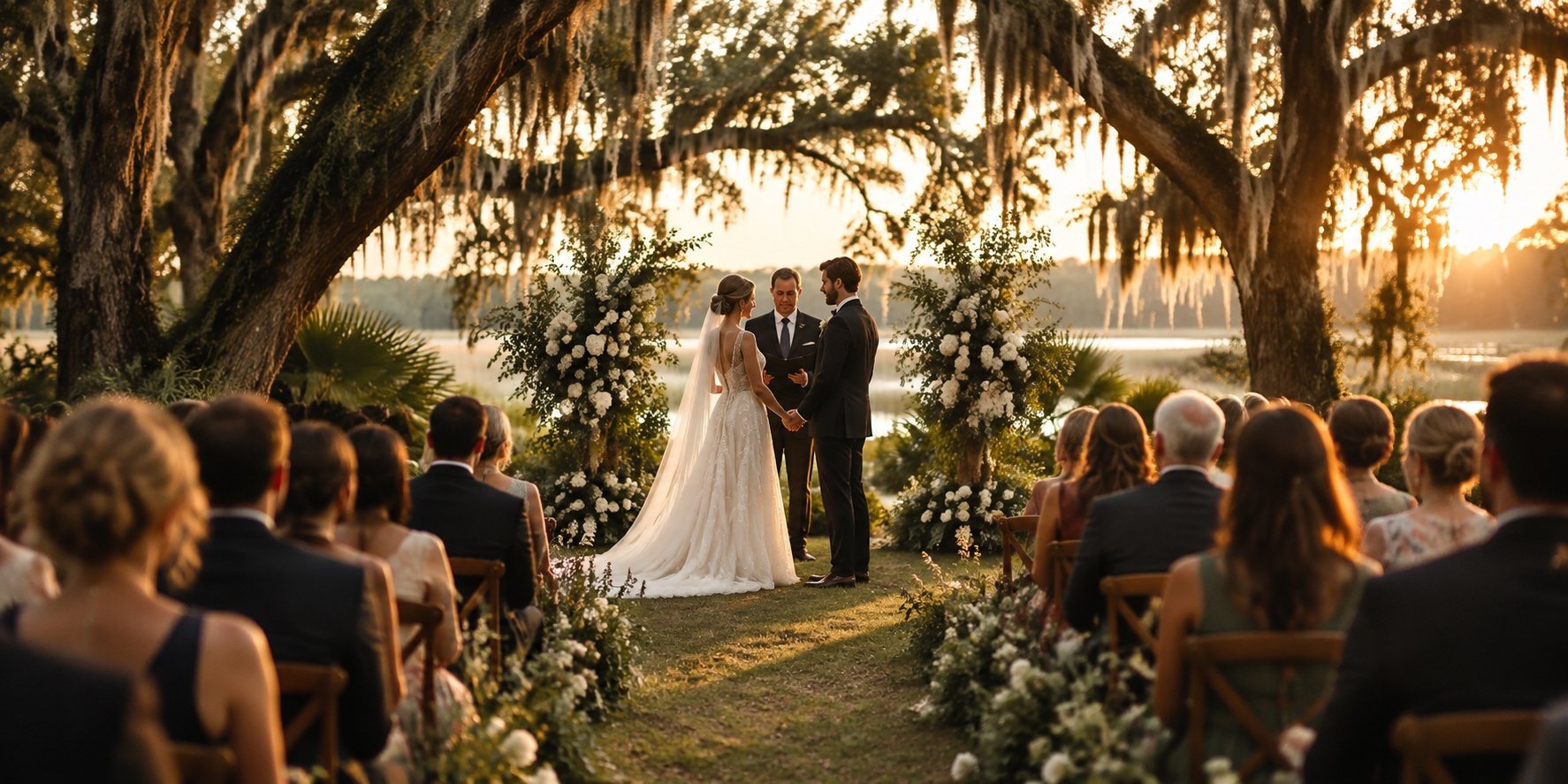
It is one of the most reasonable questions a couple can ask. Your ceremony might last fifteen or thirty minutes, your aunt has a new phone, and the budget already feels stretched. Why pay a videographer for something a guest could hold up and record? I hear some version of this question often, and I would rather answer it honestly than pretend a phone is useless. Sometimes a phone recording is perfectly fine. Often it is not, and the reasons are not always the ones couples expect.
This guide walks through the real differences between a phone recording and professional ceremony-only video: sound, angles, steadiness, the moments a single viewpoint misses, and what you actually end up with years later. It also covers when a phone is genuinely enough, and how to get the best possible phone recording if that is the route you choose. The goal is to help you decide with clear expectations, not to talk you into anything.
Tip 01
Start With What You Want to Watch Later
Before comparing equipment, picture yourself watching the video five or ten years from now. Do you mostly want proof that the ceremony happened, a record you might glance at once or twice? Or do you want to hear every word of your vows, see your partner's face as they speak, and catch the reactions of the people who love you? Those are two very different goals, and the right choice depends on which one matters to you.
Couples who later wish they had hired a videographer rarely say the picture was the problem. They say they cannot hear the vows, the officiant blocked the view at the exact moment of the ring exchange, or the recording stops halfway because a notification, low battery or full storage interrupted it. A ceremony happens once. Whatever approach you choose should be built around protecting the parts you would be heartbroken to lose.
Tip 02
Audio Is the Biggest Difference
Most people assume the image is what separates a phone from a professional, but sound is usually the larger gap. A phone records from wherever the guest is sitting, often several rows back. Its microphone picks up everything between it and you: the ceiling fan, wind moving across the lawn, a crying baby, chairs shifting, the guest whispering beside it. Vows are usually spoken softly and with emotion, which is exactly the kind of sound a distant phone struggles to capture.
Professional ceremony audio is planned around the voices that matter. Depending on the venue and what everyone is comfortable with, that can mean small wearable microphones on the couple or officiant, a separate recorder near the ceremony space, or a feed from the venue's sound system when the equipment and permission allow it. Those sources are then combined and mixed in editing so the vows are clear and natural. One couple who worked with me put it simply in their review: because of the microphones, they will always have the vows they wrote for each other on video. That is very hard to recreate from a guest's seat.
Outdoor Florida ceremonies make this even more important. Coastal wind, lake breezes, nearby traffic and afternoon thunderstorms rolling in can overwhelm a phone microphone in seconds. If the words are the part you care about most, audio alone is often enough reason to choose professional coverage.
Tip 03
One Seat Sees Only One Side of the Story
A phone records from one place. If your guest is on the bride's side, you will mostly see the back of one partner and the side of the other. If the officiant steps into the line of sight during the ring exchange, that moment is simply gone. And the person recording cannot easily turn to catch a parent wiping away tears or a grandparent's smile without losing the couple entirely.
Multi-camera ceremony coverage solves this by capturing the ceremony from more than one perspective at the same time. In editing, those angles are cut together so you can see both of your faces during the vows, the processional as it comes down the aisle, and reactions from the people closest to you, all within one continuous ceremony video. Camera positions always depend on the venue's rules and layout, but even a modest multi-camera setup gives you a far more complete record than a single phone ever can.
Tip 04
Steadiness, Framing and the Guest Behind the Phone
Holding a phone steady for twenty or thirty minutes is harder than it sounds. Arms get tired, the framing drifts, and zooming on a phone usually means a softer, noisier picture. In indoor venues or near sunset, low light can turn faces grainy, while bright Florida sun can wash out a white dress or leave faces in deep shadow.
There is also the person holding the phone to consider. Asking a friend or relative to record means asking them to watch your ceremony through a screen instead of being fully present. Many couples love the idea of an unplugged ceremony precisely so their guests can simply be there with them. A professional lets everyone you invited put their phones away and experience the moment.
Tip 05
The Moments a Phone Is Most Likely to Miss
From experience, these are the moments most at risk when a ceremony is recorded on a phone: the processional, because the recorder is often facing forward and turns too late; the first look at the altar, when one partner sees the other coming down the aisle; the vows, because of audio; the ring exchange, because of blocked sightlines; and the kiss and recessional, when guests stand, cheer and lift their own phones into the frame.
Professional coverage is planned around these specific moments. Before the wedding day, I review the ceremony details, including the order, where everyone will stand, the start time and any venue restrictions, so the cameras and microphones are in place before the processional begins rather than scrambling to catch up.
Tip 06
What You Receive Afterward
A phone recording is usually a raw file, or several files if the recording was interrupted, sitting on someone else's device. It may need to be requested, transferred and stored before you ever see it. Professional ceremony-only coverage delivers a finished video: the full ceremony from processional to recessional, edited from multiple angles, with color grading and audio mixing so it looks and sounds like the day felt. My collections deliver a full-length ceremony video (1080p HD with Elopement and Essential, 4K UHD with Signature and Heirloom), an archival master and a private viewing gallery with a digital download, so the video is organized and easy to share with family.
That finished quality matters more over time. Many couples revisit their ceremony on anniversaries, share it with relatives who could not attend, or watch it years later with their children. A clear, complete video holds up to repeated viewing in a way a shaky, muffled recording rarely does.
Tip 07
When a Phone Recording Really Is Enough
A phone can be a sensible choice in some situations. If your ceremony is a very quick legal formality and you plan a larger celebration later, if the setting is quiet and indoors with everyone standing close together, or if you simply want a casual memory rather than a polished video, a carefully placed phone may be all you need. Being honest about that is better than overspending on something you will not value.
If you go this route, give yourself the best chance. Ask one specific person to be responsible rather than hoping someone remembers. Use a small tripod placed close to the front, not a handheld phone from the back row. Turn on airplane mode so calls and notifications cannot interrupt, make sure the battery is full and there is plenty of free storage, and record in landscape. If possible, place a second phone or a small audio recorder near the officiant to capture the vows more clearly. These steps will not match professional coverage, but they make a real difference.
Tip 08
Why Ceremony-Only Coverage Changes the Math
Many couples skip professional video because they picture full-day coverage: getting ready, portraits, the reception and hours of editing. Ceremony-only coverage focuses on the part most couples care about most, the vows, without paying for everything else. You get a professional, multi-camera, carefully recorded ceremony video while keeping your photographer, a friend's phone or no coverage at all for the rest of the day.
That focus is the reason I built my collections around the ceremony itself. Whether you are eloping as a couple, hosting an intimate wedding with a handful of guests or planning a larger ceremony, the collections scale with the length and size of your ceremony. You can compare them on the pricing page and choose the level of coverage that fits what you want to watch later.
Bring Your Ceremony Plan Together
A phone recording is better than nothing, and for some couples it is enough. But if hearing your vows clearly, seeing both of your faces and capturing the reactions around you matter to you, a single phone in a guest's hand is a fragile way to preserve the most important few minutes of your wedding day.
If you are weighing the two, think about what you will want to watch years from now, then choose the option that protects it. I am always happy to talk through your ceremony and help you decide whether professional coverage makes sense for you.
Explore my wedding ceremony videos, compare ceremony collections, or check your wedding date. Every collection can be booked up to 12 months ahead; couples planning further ahead can join the waitlist without reserving a date.