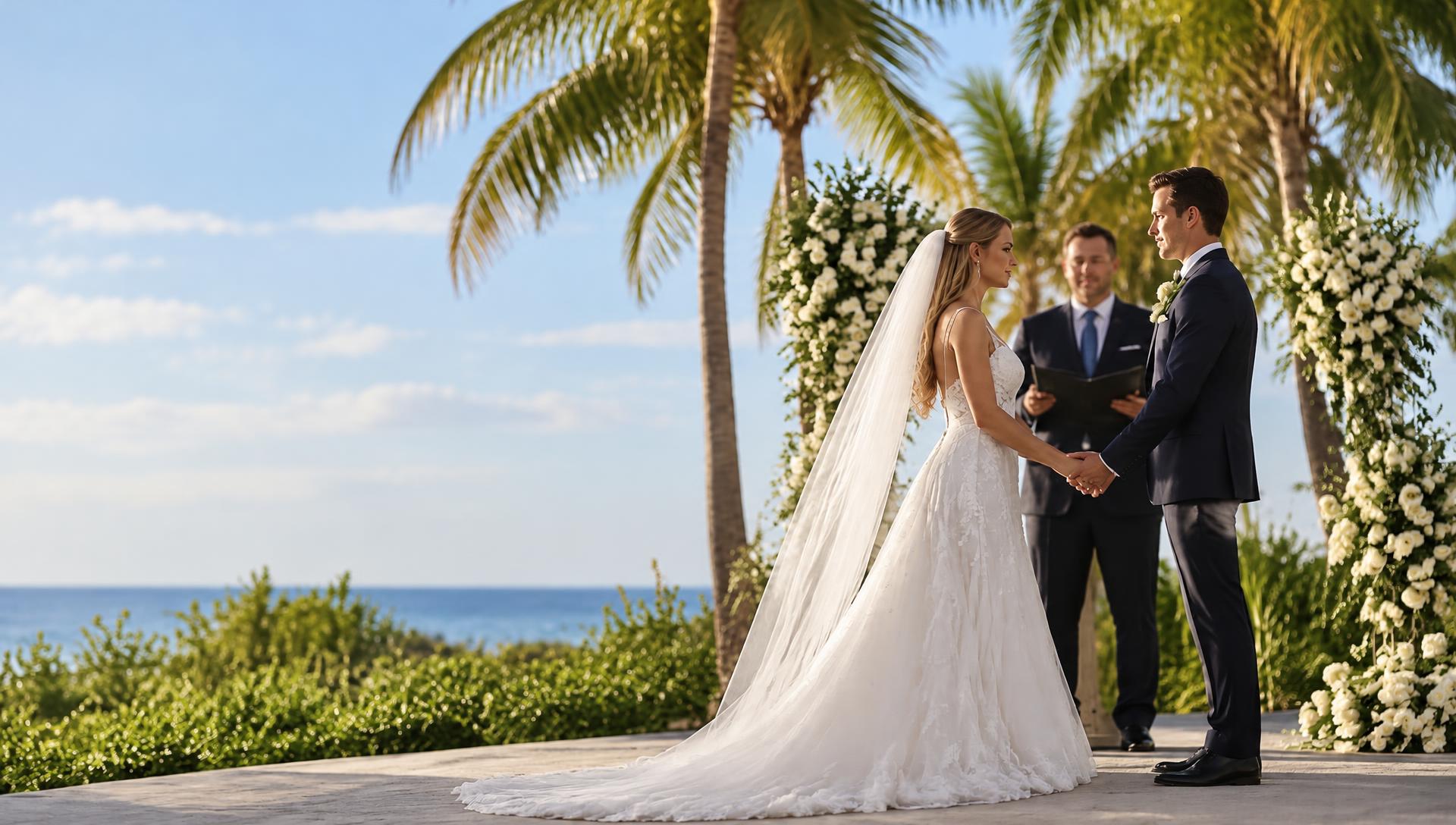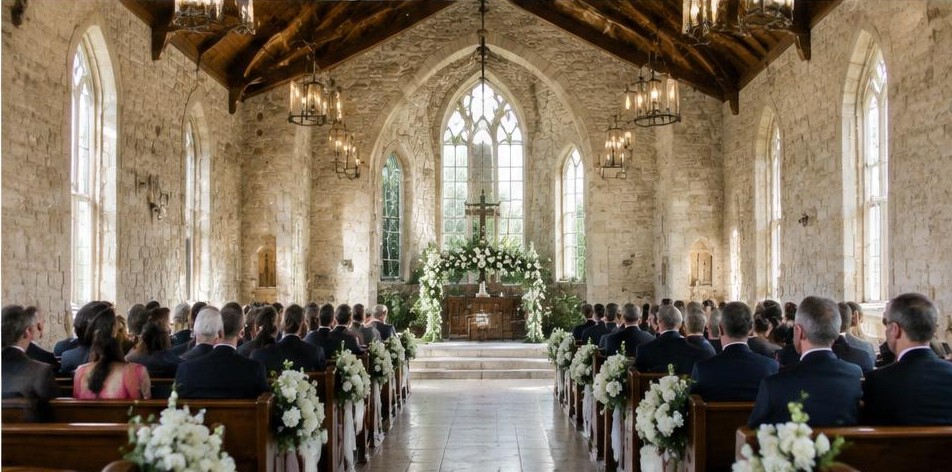
Wedding ceremony readings give someone other than you and your officiant a chance to express what this commitment means. A poem might capture the friendship beneath your relationship; a passage from your faith tradition might connect your promises to a larger community. The challenge is choosing words that belong in your ceremony, rather than words that simply sound romantic on a page. Start with the purpose of the reading, then consider who will deliver it and how guests will hear it.
These twelve tips take you from a first shortlist to a ready-to-read ceremony script. They cover the decisions that are easy to miss: whether a passage fits your beliefs, how a translation will work aloud, what permissions to check, and where the reader should stand. You do not need several readings to make a ceremony meaningful. One thoughtfully chosen passage, clearly introduced and comfortably delivered, can give your guests something specific to remember about the promises they witnessed.
Tip 01
Choose a Theme Before Searching for a Passage
Begin by finishing this sentence together: We want this reading to say something about our shared life that our vows will not already cover. Possible themes include friendship, perseverance, hospitality, joy, or building a home. Choose one primary idea. A focused theme makes it easier to compare passages without collecting every poem that mentions love.
Then look for language that connects with that idea in a recognizable way. If your relationship centers on everyday care, a passage about ordinary acts of kindness may fit better than sweeping declarations of destiny. Save a short note beside each candidate explaining why it belongs. If neither of you can explain the connection, keep looking.
Tip 02
Check That the Words Reflect Your Beliefs
Read each candidate for its assumptions, not just its beautiful phrases. Does it describe marriage, gender, faith, or commitment in a way you both support? A familiar passage may carry ideas you would not choose yourselves. Discuss any sentence that gives either partner pause before inviting a relative to read it.
For religious or culturally rooted ceremonies, ask your officiant or community guide which readings and placements are appropriate. Requirements and customs vary, including whether a secular selection can sit alongside a sacred text. In an interfaith ceremony, explain what each selection represents without implying that both partners share every belief expressed. Respectful context is more useful than trying to make every passage universal.
Tip 03
Match the Reading to the Reader
Choose a reader for both the relationship and the task. Someone who matters deeply to you may prefer a different ceremony role, especially if public speaking feels overwhelming. Ask privately, describe the approximate length and rehearsal expectations, and make it easy to decline. Share the actual passage before treating their participation as settled.
Consider language fluency, comfort with emotional material, and the pace the text needs. A conversational essay may suit someone who feels stiff reading poetry. A younger reader might appreciate a short passage with familiar vocabulary and clear punctuation. Ask what would help them feel prepared rather than assuming confidence from their age, profession, or family role.
Tip 04
Measure Length by Listening, Not by Page Count
Time each finalist aloud at a comfortable ceremony pace, including the introduction and a pause at the end. Page length can mislead: a poem with generous spacing may be brief, while a compact prose paragraph can take much longer than expected. Record a practice reading on your phone and listen without following the text.
Notice where your attention drifts or where the meaning becomes difficult to follow. If you want more than one reading, compare their combined duration with the rest of the ceremony, especially personal vows and the officiant's remarks. Choose a shorter complete work or an appropriate excerpt rather than rushing. Confirm any proposed shortening before changing the text.
Tip 05
Check Permissions for Each Planned Use
Before finalizing a contemporary poem, book excerpt, song lyric, or online essay, locate its original source and look for published permissions guidance. Make a list of your intended uses: spoken during the ceremony, printed in programs, included in the ceremony video, or posted online. Do not assume that permission for one use covers every other use.
Where guidance is unclear, contact the author, publisher, or designated permissions representative with the exact passage and intended uses. Keep any response with your ceremony documents and share relevant conditions with your officiant and videographer. If you cannot clarify the requested use in time, choose another selection. Crediting an author is important, but it does not resolve permission questions.
Tip 06
Plan Translations for Both Meaning and Listening
If a reading will be delivered in a language not all guests understand, decide how they will receive its meaning. Options include a printed translation, a brief introduction describing the theme, or successive readings in two languages. Consider the ceremony's overall length before repeating a long passage, and check the chosen translation's permissions separately.
Ask a fluent speaker to review pronunciation, tone, and any translation you commission or prepare. Literal wording may miss the warmth or significance of the original. Give each reader the final version early, with pronunciation notes where useful. For sacred or culturally significant texts, defer to your officiant or community about appropriate versions and presentation rather than treating translations as interchangeable.
Tip 07
Give the Reading a Clear Sound Plan
Ask who is providing ceremony amplification and where readers will speak. An outdoor Central Florida ceremony may include wind, nearby activity, or other background sound that makes an unamplified voice difficult to follow. Confirm whether the reader will use a lectern microphone or another arrangement, rather than discovering the setup during the processional.
During the sound check, have the reader speak several lines at their intended pace and volume. Let the sound professional guide microphone placement and use. Tell your ceremony videographer about every reading, including changes of speaker or language, so recording plans account for them. Guest amplification and recording audio are related needs, but confirming one does not automatically confirm the other.
Tip 08
Prepare a Reader Copy That Is Easy to Use
Create a dedicated reading copy instead of asking someone to work from a crowded ceremony program. Use a generous font size, high contrast, and enough spacing to follow the lines comfortably. Keep page turns away from the middle of a sentence. If possible, arrange a short selection on one page without shrinking the text.
Separate spoken words from instructions with unmistakable labels, such as Reader cue or Pause, and explain that those labels are not spoken. Mark difficult names phonetically if the reader finds that helpful. Print the final version after edits are approved, place it in a simple folder, and avoid relying on a phone screen that may dim or display notifications.
Tip 09
Credit the Work Without Overloading the Introduction
Confirm the title, author, translator if applicable, and exact source while you still have the original text available. Internet collections sometimes detach a passage from its context or attach uncertain attribution. Trace your selection back to a reliable publication rather than copying a name from a graphic or an unattributed wedding inspiration page.
Decide what guests need to hear and what belongs in print. A spoken introduction can identify the work and briefly explain why you chose it; fuller source details can appear in the program. Coordinate with the officiant so the title and author are not announced twice. If authorship remains uncertain, select a work you can confidently identify rather than guessing.
Tip 10
Rehearse the Entrance and Exit, Not Just the Words
A reader needs to know more than pronunciation. At rehearsal, walk through where they sit, what cue brings them forward, where they place the folder, and how they return to their seat. Ask the officiant to practice the actual introduction so the reader recognizes the moment without watching anxiously for an improvised signal.
Read the passage aloud at least once with deliberate pauses and a comfortable breath before the first line. Practice recovering from a missed word by continuing calmly rather than restarting the entire paragraph. If the reader cannot attend rehearsal, send a simple movement plan and arrange a brief walkthrough with the coordinator or officiant before guests arrive.
Tip 11
Place Each Reading Where It Has a Purpose
Work with your officiant to place readings within the ceremony's sequence. A reading near the opening can establish a theme; one before the vows can turn attention toward commitment. These are possibilities, not a universal order. Religious and cultural ceremonies may have established places for particular texts, so confirm the structure before assigning cues.
If you include two readings, give them different jobs rather than repeating the same sentiment. One might celebrate community while another considers the daily practice of partnership. Review the transitions with the officiant: what comes immediately before and after each selection? Include reader names and movement cues in the master script so a meaningful passage does not feel like an unexpected interruption.
Tip 12
Create a Simple Backup Plan
Decide in advance what should happen if a reader is absent, loses their voice, or becomes too emotional to continue. Ask a willing backup reader or the officiant whether they can step in, and give them the same final text. Make clear whether you prefer the reading reassigned or omitted if circumstances change.
Keep an extra printed copy with the officiant or coordinator, labeled with the reader's name and its place in the ceremony. For an outdoor celebration, include the reading location and sound arrangement in your weather contingency discussion. If the ceremony moves indoors, confirm the new cue and speaking position. A backup plan should preserve the meaning without making an already nervous reader feel monitored.
Bring Your Ceremony Plan Together
The best wedding ceremony reading is not necessarily the most famous, the most poetic, or the one that makes everyone cry. It is the selection that expresses something true about your commitment and can be shared clearly in the ceremony you are planning. Theme, beliefs, length, and delivery all work together; choosing the text is only the beginning of that preparation.
For your next planning step, shortlist three passages and read each aloud together. Note its theme, timed length, source, possible reader, and any permissions or translation questions. Take that small comparison sheet to your officiant before making a final choice. Once the selection and placement are confirmed, send your reader the finished copy and arrange one practice run that includes both the words and the cue.
Explore my wedding ceremony videos, compare ceremony collections, or check your wedding date. Every collection can be booked up to 12 months ahead; couples planning further ahead can join the waitlist without reserving a date.