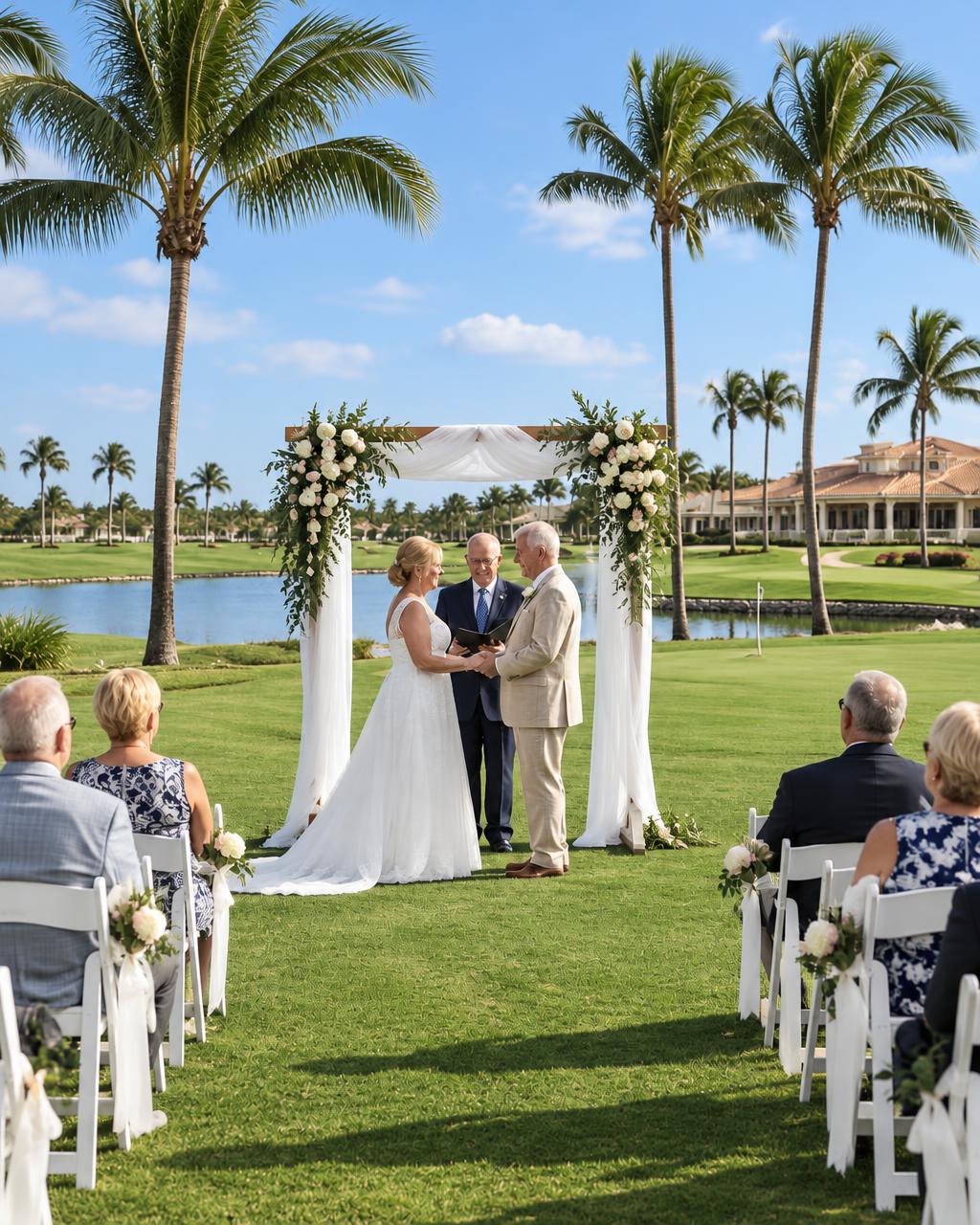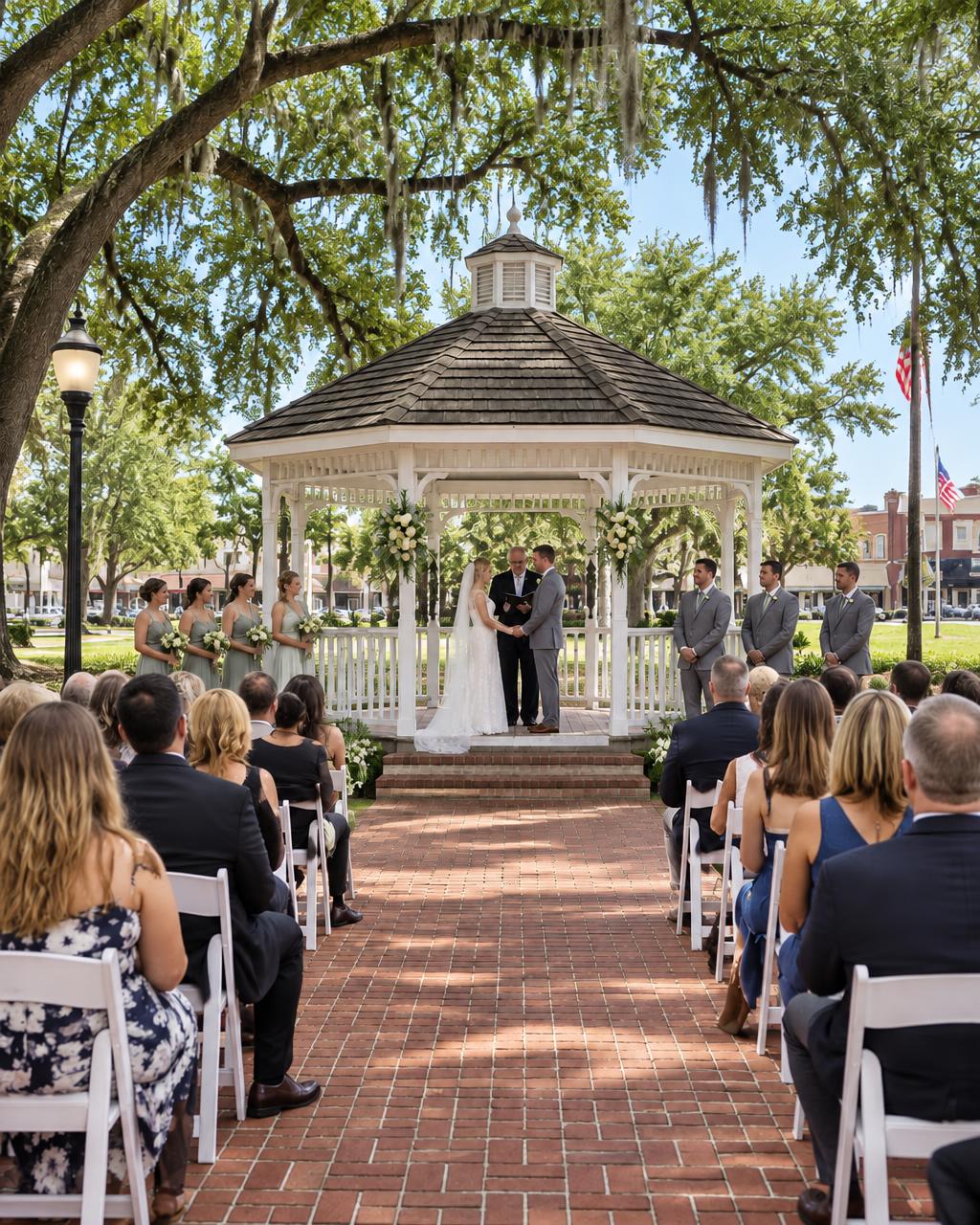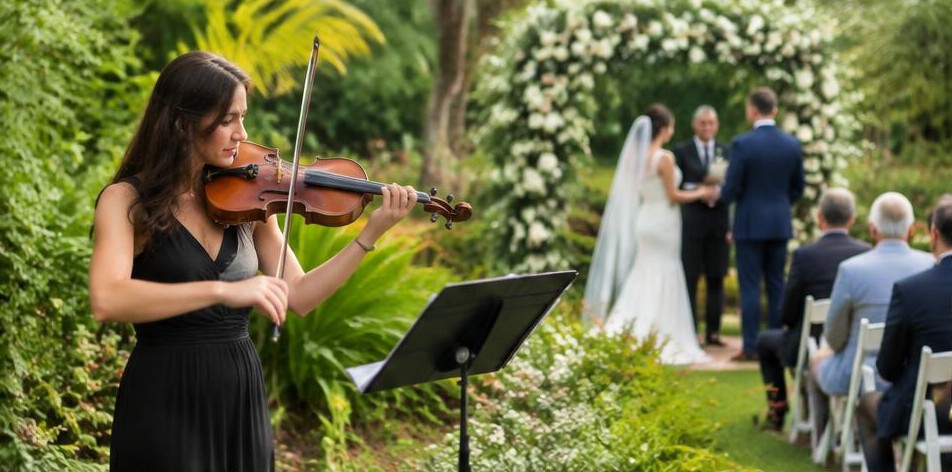
Guest comfort begins before anyone takes a seat. A relative arriving from out of town may need clearer directions than a local friend. A parent may be looking for a restroom while an older guest is deciding whether the walk from parking feels manageable. These small experiences shape how settled people feel when your ceremony begins. Thoughtful planning gives guests fewer things to figure out and more attention for the promises you are making.
For a Central Florida wedding ceremony, comfort also means considering sunshine, rain, warm afternoons, and the transition between outdoor and indoor spaces. You do not need an elaborate hospitality setup to make a meaningful difference. You need accurate information, a realistic arrival plan, and a few people who know how to help. Use these fifteen tips to review the entire guest experience, from the first turn into the property to the moment everyone leaves the ceremony seating.
Tip 01
Make Arrival Instructions Match the Actual Entrance
Give guests the entrance they should use, not just the venue’s street address. A property may have a main building entrance, a separate ceremony gate, and parking that is not visible from the road. Include the correct entrance name or a simple landmark in your wedding website directions and reminder message.
Ask when guests may enter the ceremony area, then communicate an arrival window that matches that access. Avoid inviting people substantially earlier than seating or restrooms become available. Assign a greeter to the first confusing turn so guests receive help before they wander toward a locked door or unrelated event.
Tip 02
Check Shade at Your Ceremony Time
Visit the ceremony location near your planned start time, if possible, and look at the guest seating rather than only the altar backdrop. Shade over the couple does not necessarily reach the audience. Notice which rows face direct sun and whether nearby buildings or trees change the shaded area.
Ask the venue what shade options are permitted and available. If only part of the seating will be shaded, keep some of those seats available for guests who request them rather than automatically filling them first. Explain any seating adjustment to your ushers, and avoid treating handheld fans as a substitute for shade.
Tip 03
Choose Seats for Sitting, Not Just Photographs
Before approving ceremony chairs, sit in the actual style being supplied. Consider the back support, seat depth, and how easily someone can rise from it. A beautiful bench may work differently from an individual chair for a guest who needs support or simply prefers a defined place to sit.
Review spacing with the venue using the planned guest count. Leave enough room for guests to reach their seats without repeatedly asking an entire row to stand. If you are considering cushions, confirm who will place and collect them. Keep a few suitable alternative seats available when the standard seating will not suit everyone.
Tip 04
Put Water Where Guests Can Find It
Make drinking water available before guests settle into their rows, particularly for an outdoor Central Florida ceremony. Position it along the arrival route without making people cross the processional aisle to reach it. Ask who will stock the station, replenish cups, and remove empty containers before the ceremony begins.
Choose a setup guests can use while holding a program or guiding a child. If water is allowed at seats, make that clear so nobody feels obliged to finish a drink hurriedly. Place a collection point near the departure route, and check venue preferences before choosing bottles, cups, or a dispenser.
Tip 05
Confirm an Accessible Route from Arrival to Seating
Ask the venue to explain the route from guest drop-off or parking to the ceremony seats, including surface changes, steps, and alternate entrances. Share accurate details with guests who request them instead of describing the location as an easy walk. Invite access requests privately through your website or a designated contact.
Discuss suitable seating positions with the guest and venue rather than assuming the back row is best. Someone using a mobility device may want to sit beside their partner or family. Give the assigned helper the agreed route and meeting point, so the guest does not have to explain the plan repeatedly on arrival.
Tip 06
Plan for Guests to Hear the Ceremony
Ask the officiant and venue how spoken words will reach the last row. Include readings and personal vows in that conversation, not only the officiant’s opening remarks. A reader speaking from a different position may need a different arrangement. Confirm who handles the guest-facing sound system and any available listening accommodations.
Do not assume microphones used for the ceremony video also amplify sound for guests; recording and audience sound serve different purposes. Arrange a listening check from the rear seating area before guests arrive. Offer a brief printed outline when helpful, while recognizing that a program cannot replace hearing the promises and readings.
Tip 07
Make Restroom Information Easy to Find
Confirm which restrooms ceremony guests may use and when those facilities open. The nearest restroom on a floor plan may be inside a building that is unavailable before the ceremony. Ask about the route from seating, and include any meaningful distance or entrance detail in the information given to greeters.
Use a discreet directional sign where guests naturally pause on arrival. Encourage ushers to mention restrooms before seating families with young children or anyone who asks about nearby facilities. If leaving during the ceremony requires a particular door or path, explain it quietly rather than making guests guess once the processional has started.
Tip 08
Turn the Weather Backup into a Guest Plan
Ask who decides whether the ceremony moves to the backup location and when that decision will be communicated. Then plan how guests will receive the update: a website notice, a message from a designated person, or a greeter at the original entrance. A backup room is only useful if people know where to go.
Review the backup space for seating, restroom access, and the distance from parking, just as you would the original setting. If the forecast changes what guests should bring or wear, send a concise factual update. Let venue staff direct weather-related operations rather than asking wedding-party members to improvise a relocation.
Tip 09
Give Families with Children Useful Options
Tell parents what the ceremony setting will actually offer. Useful details include the approximate ceremony length, whether strollers can remain nearby, and where a parent can step out with a restless child. Avoid promising childcare or a children’s area unless you have specifically arranged it and communicated how it works.
Offer aisle seating near an exit to families who want it, without assigning every child to the back automatically. A small quiet activity can help during the wait; choose something without loose pieces or noisy packaging. Give parents permission to leave and return discreetly so a brief interruption does not become an anxious decision.
Tip 10
Ask Older Guests What Would Help
Speak directly with older relatives about their preferences instead of making decisions based on age alone. One guest may appreciate a shorter walk, while another cares most about hearing clearly or sitting with siblings. Ask a concrete question, such as whether a drop-off near the entrance would make arrival more comfortable.
If someone wants assistance, assign a familiar person to meet them at a named location and time. Build that help around their preferences rather than separating them from their companions. Confirm that their seat will be ready when they arrive, particularly if the ceremony includes a long period of prelude music before the processional.
Tip 11
Separate Travel Time from Ceremony Time
For guests traveling from hotels, explain the difference between the ceremony start time and any shuttle departure time. Include the pickup location clearly; a large hotel may have several entrances. If transportation is not provided, say so plainly and give the correct destination information for guests arranging their own rides.
Check expected travel conditions for your day and share a reasonable planning buffer without guaranteeing a journey length. Provide a day-of contact who is not getting dressed or walking down the aisle. For ceremony-only attendees, also clarify when and where they can arrange their return transportation rather than assuming everyone will continue elsewhere.
Tip 12
Use Signs at Decision Points
Place signs where a guest must choose a direction: the parking exit, a path junction, or the doorway leading to the ceremony. One decorative welcome sign cannot explain an entire property. Walk the arrival route as though you have never visited, and note each place where the next step is unclear.
Keep wording short and practical, with readable lettering and strong contrast. Use consistent destination names across your website, messages, and signs; do not call the same space the garden in one place and the courtyard in another. Ask the venue about placement, and name someone to remove or redirect signs if the ceremony location changes.
Tip 13
Reserve Rows with a Clear Seating Plan
Decide who belongs in reserved seating before creating row markers. Include partners, caregivers, and anyone whose presence makes that seating work for the invited relative. Count actual places rather than assuming the first two rows will hold everyone. Share the plan privately with the people who will guide guests.
Label reserved areas specifically enough for ushers to understand them without displaying unnecessary personal information. If family relationships are complicated, use names on the usher’s list instead of broad assumptions about sides. Decide when unused reserved seats may be released so late-arriving guests are not left standing beside empty chairs throughout the ceremony.
Tip 14
Make Standing Optional Where Appropriate
Discuss standing moments with your officiant while reviewing the ceremony sequence. Some ceremonies include standing for an entrance, prayer, or other observance, and expectations vary by community and tradition. Ask how guests who remain seated can be welcomed without drawing attention to individuals or changing meaningful practices without consultation.
For portions you can adapt, consider an invitation to stand if comfortable rather than a command that sounds universal. Keep seats available even if you envision a short, informal gathering. Also review sightlines: a guest who stays seated should not automatically lose every view because their assigned place is directly behind the tallest standing group.
Tip 15
Plan the Exit Beyond the Recessional
Decide what guests should do immediately after you walk back down the aisle. Are they remaining seated briefly, moving to another gathering area, or leaving the property? Give the officiant a simple announcement and have ushers ready to reinforce it. Without a cue, guests may crowd the aisle while others wait for instructions.
Keep the departure route clear of water stations, sign stands, and gathering groups. Tell guests who need a shorter route where to meet their ride or helper. If some people are staying for photographs, identify them in advance rather than stopping everyone at the exit while someone searches for the right relatives.
Bring Your Ceremony Plan Together
The most useful guest comfort plan follows a real person’s journey through the ceremony: finding the entrance, reaching a seat, hearing the words, and knowing where to go afterward. Review those transitions together rather than treating water, signs, chairs, and transportation as unrelated purchases. A well-placed helper or a clearer message may solve more than another decorative item.
Your next step is to walk the guest route with your venue contact and bring these fifteen topics as a checklist. Record what is already covered, what needs a decision, and who owns each remaining task. Then share only the relevant details with guests, ushers, and your officiant so everyone receives practical guidance without having to read your entire ceremony planning document.
Explore my wedding ceremony videos, compare ceremony collections, or check your wedding date. Every collection can be booked up to 12 months ahead; couples planning further ahead can join the waitlist without reserving a date.